Influencers vs UGC Creators: Which One Should You Choose for Your Brand
Influencers and UGC creators are often lumped into the same category, but there are fundamental differences between the two.
Both create content, and that's where the similarity ends. Confusing the two means you're either paying influencer rates for something that should have been a content-only fee, or under-investing in relationships that could actually build audience trust over time.
Before you decide who to work with, answer a simpler question: Does this campaign need distribution, content, or both? The answer usually makes the choice obvious.
UGC Creators vs Influencers: A Quick Comparison
Influencers:
Primary value: Audience access and trust transfer
Audience reach: Yes, posts to their own followers
Brand awareness: Strong, especially for launches and new markets
Paid usage rights: Can be repurposed for paid ads if agreed upon with an added fee
UGC Creators:
Primary value: Content production
Audience reach: No, content goes to brand channels
Brand awareness: Depends on the brand's own distribution
Paid usage rights: Content often created specifically for paid ads
What does a UGC Creator do?
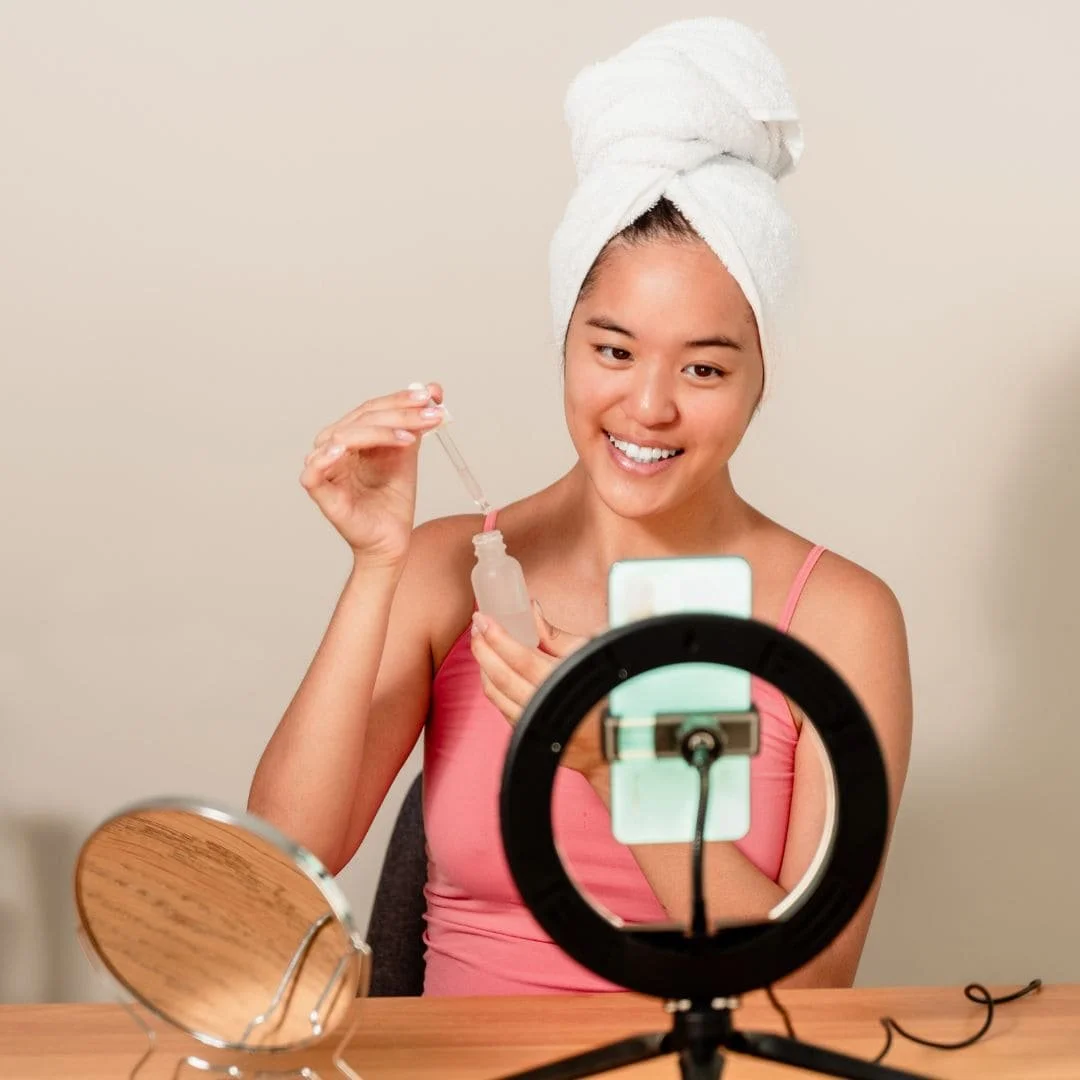
A UGC creator films or photographs content for brands to use across their own marketing channels: paid ads, product pages, email campaigns, and social media. The contract sets the terms, how long the brand can use it, and where. Unlike influencers, they're not hired for access to an audience. They don't need a following at all.
Good UGC looks like a customer filmed it. An unboxing video, a product demo, a morning routine, or a short testimonial: the kind of thing that fits into a feed instead of announcing itself as a campaign.
What does an Influencer do?
An influencer creates and publishes content to an audience they've already built. You're paying for the reach and trust they've built with that audience, with the content arriving as part of the deal.
When an influencer recommends your product, that recommendation travels through a voice their audience already knows, carrying borrowed credibility. An influencer's audience has spent months or years deciding that this person is worth listening to, and that decision carries over, at least partially, to whatever they're recommending.
UGC creators vs influencers: the core difference
A UGC creator is paid to produce content a brand uses on its own channels. An influencer is paid to post content to their own audience. The value of a UGC creator sits in the content alone. An influencer brings the content and the audience that sees it.
With a UGC creator, you get content you can use for your marketing channels. With an influencer, the audience is what you're actually paying for, along with the content.
Brands typically turn to UGC creators when they need content for paid advertising, product pages, email marketing, or creative testing. Influencers are usually brought in when the goal is to increase awareness, build credibility, reach a specific audience, or generate social proof.
The other thing worth knowing: the same creator can do both. Someone might produce a product video for your ad account this week and post a sponsored reel to their 80,000 followers the next.
What matters is which role you're hiring them for. A UGC contract is built around buying the asset and what you can do with it. An influencer contract is built around the post reaching their audience, with usage rights for the content often negotiated separately.
When to Choose Influencers
Influencers outperform UGC when reach, trust transfer, and social proof are the primary objectives.
There are situations where influencers are the stronger call.
Product launches. When you're bringing something new to market, you need people talking about it before your own channels have the momentum to carry it. Influencers get your product in front of audiences that are already engaged with the category, generating awareness and anticipation that owned content alone can't produce at the same speed.
Brand awareness campaigns. If the goal is reach and recognition, you need distribution you don't already own. Influencers give you access to built audiences across platforms, and the trust those audiences have in the creator transfers to your brand.
Niche audience targeting.Micro and nano influencers have built real trust within highly specific audiences, whether that's fitness enthusiasts, sustainable beauty consumers, or home cooks. That trust is what makes the targeting worth paying for. Reach a broad influencer's general audience, and you get exposure. Reach a niche influencer's audience and you get exposure to people who already trust this person's judgment in that specific category.
Social proof. Consumers trust people before they trust ads.. A creator recommendation in a category your audience cares about carries weight that well-produced owned content rarely replicates, especially for purchase decisions where risk feels high.
Community building. Long-term creator partnerships do something a one-off content commission can't. When a creator talks about your brand repeatedly over time, it stops feeling like advertising. That's when brand association really takes hold.
When to choose UGC Creators
There are four situations where UGC is the stronger call.
Running ads. UGC is widely used in paid advertising because it combines the authenticity of creator content with the control of brand-owned media. Brands can test different hooks, messages, and creative formats while controlling the targeting, budget, and placement. For performance marketing teams, that flexibility makes UGC a practical creative asset
Building a content library. Brands often need a steady stream of content for social media, paid advertising, email marketing, landing pages, and product pages. UGC creators can help generate a variety of content assets that can be used across these channels, making them a practical choice when content volume is a priority.
Testing creative. Before you scale spend behind a concept, you want to know it works. UGC makes creative testing economical. Commission multiple variations, run them against each other, and double down on what converts. That feedback loop is much harder to build when every asset is tied to an influencer relationship.
Categories where believability matters more than aspiration. Not every product needs a recognizable face or a large following behind it. For household products and everyday consumer goods, content that looks like it came from a real customer often outperforms content that obviously came from a campaign. UGC is built for that.
Can You Use Influencers and UGC Creators Together?
Absolutely. And the brands doing this well stopped treating it as a choice a while ago.
Influencer content works at the top of the funnel, building awareness with an audience that already trusts the creator. UGC works further down, in the ads, product pages, and emails that turn interest into a purchase. The two can connect directly: retarget the audience that already saw the influencer content, then serve them UGC ads built to convert. The influencer did the work of making the brand familiar. The UGC ad does the work of closing the sale.
Influencer content can also be used as an ad on its own, through whitelisting. That means running an influencer's post as a paid ad from their account instead of yours, through Meta's partnership ads or TikTok's Spark Ads. The post keeps its likes, comments, and shares, so it still reads as organic, but now it's targeted with the precision of paid media. It requires the influencer's permission as a separate negotiated term, not something that comes bundled with the original post.
The Right Creator for the Right Job
What I keep telling brands is this: get clear on what the campaign needs to do before you decide who to work with. If you need an audience, work with someone who has one. If you need content for paid media and your own marketing channels, go for UGC creators. If you need both, build a program that does both, with the right agreements in place from the start.
If you want to figure out which model fits your campaign, or build something that uses both properly, that's exactly the kind of work we do at beyondINFLUENCE.