Blogs
The Old Way of Influencer Marketing Isn't Enough Anymore
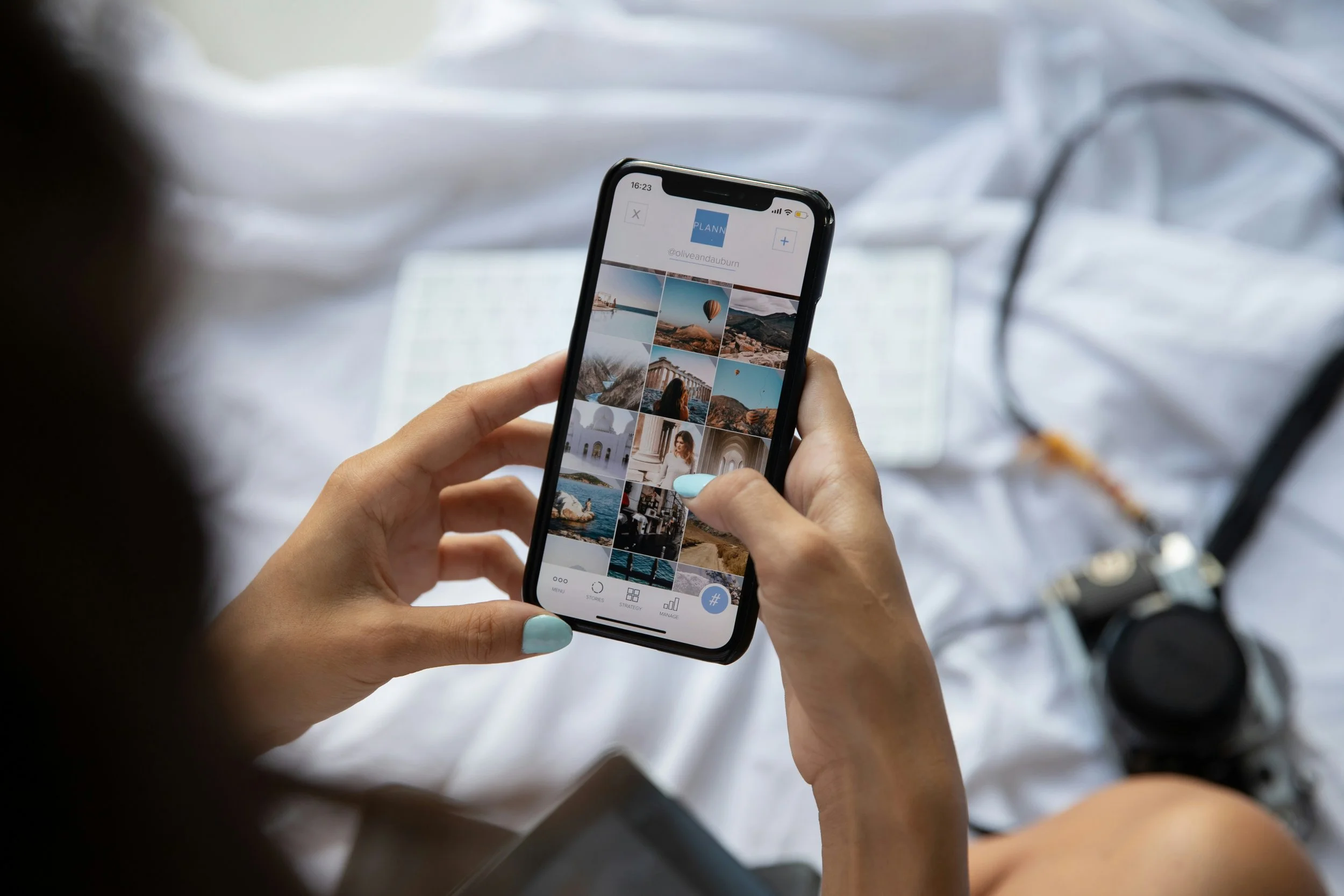
I keep seeing headlines asking if influencer marketing is dead, or if the era is over, and every time, I have to laugh a little. In a way, it is. The version where a creator sounds like a person until the brand deal shows up is on its way out.
Being an influencer in 2026 isn't the same job it was 10 years ago. This one here is for brands: Keep running your campaigns the way you did five years ago, and you'll spend your budget on content your audience has already learned to scroll past.
Is YouTube Making Creators Work Harder for Their Money?
YouTube says it wants to reward active creators and open up more ways to make money across the platform. At the same time, it's made monetization harder to reach, changed what counts as a view, added pressure on Shorts creators, and reportedly offered millions to keep its biggest names off Netflix.
So which is it? Rewarding creators, or making creators work harder while the platform gets more valuable to brands? Here are my two cents.

Influencer marketing got complicated. Good.
Judging influencer marketing awards is a completely different experience from running the campaigns. I am judging award entries quite a bit, and each time I read the entries cold.
No context, no backstory, nobody in the room to explain what they meant. Just what the team wrote down and what the numbers say.
And somewhere around the 30th entry, a pattern shows up. You can tell almost immediately which teams decided what the work was for before they started, and which ones picked creators they liked and reverse-engineered a story afterward.
No Tears, Just Tiers: Building a Smarter Influencer Strategy
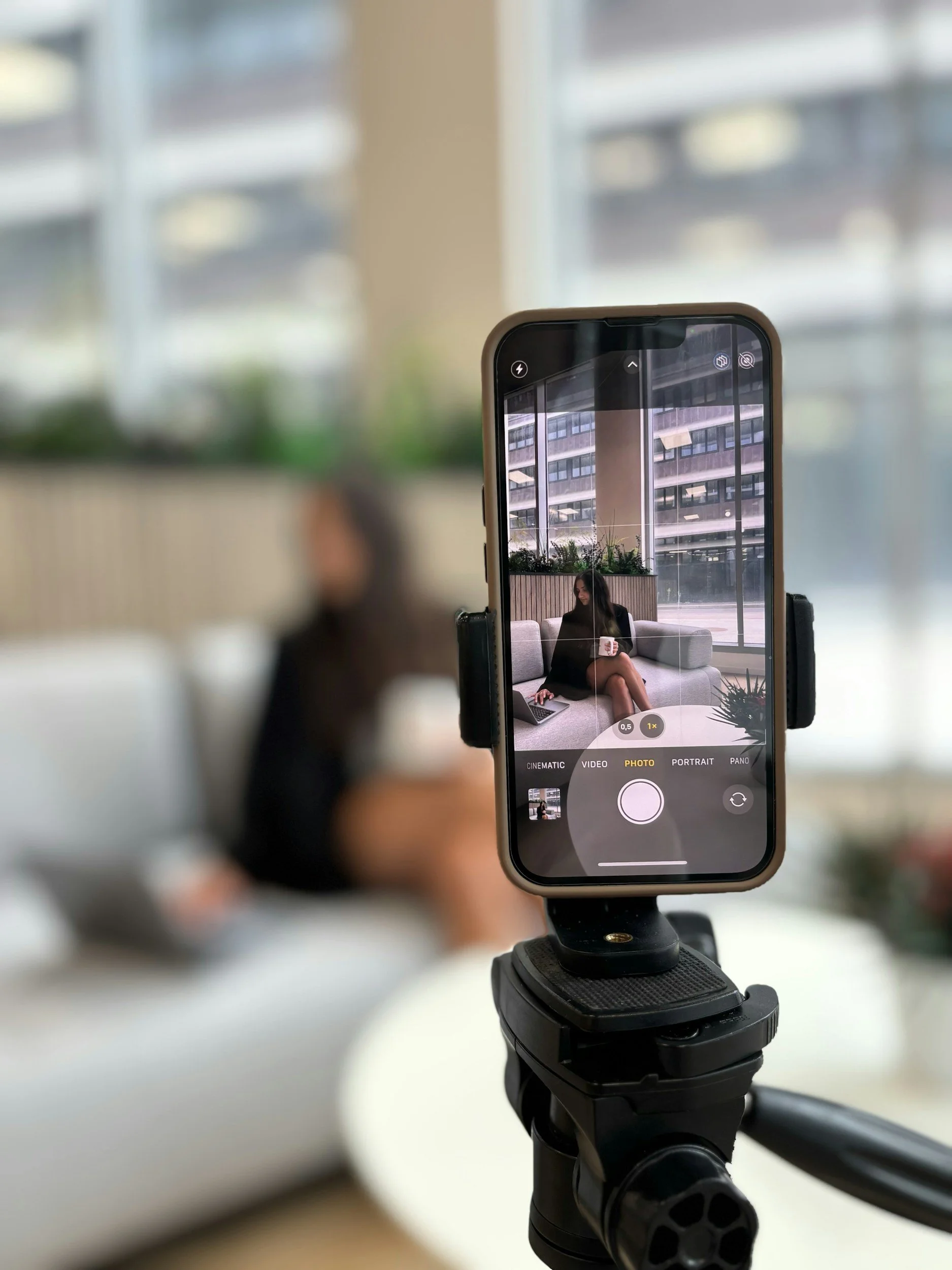
Two influencers email you on the same afternoon: one with half a million followers, the other with 7,000.
You already have a favorite. Many marketers do, and it's usually the bigger number. It seems like a safer bet, I get it. The budget should still go to whichever one matches your campaign objective.
Chase the follower count anyway, and the bubble bursts fast. What's left is a report full of reach and impression numbers. If that's what you needed, great. If it wasn't, good luck defending the spend to finance.

Google Search Console Now Measures Creator Content
Search Console has always required a verified website: a domain you own, with a DNS record to prove it. That changed when Google introduced social media platform properties. Instead of verifying a website, brands and creators can now connect their social accounts and access Search performance data showing how content from those accounts performs in Google Search and Discover, including clicks, impressions, and search queries.

The Starbucks Barista Who Made Your Latte Might Be the Next Big TikTok Star
Funny how loose workplace phone rules have gotten. There was a stretch when scrolling on shift got you written up, maybe docked your pay. These days Starbucks is paying select baristas to film TikToks while they work.
The coffee giant has teamed up with TikTok to test a new creator program built around its own employees.
So next time your line is moving slow because your barista is filming instead of steaming milk, save the eye roll. That's the job now.
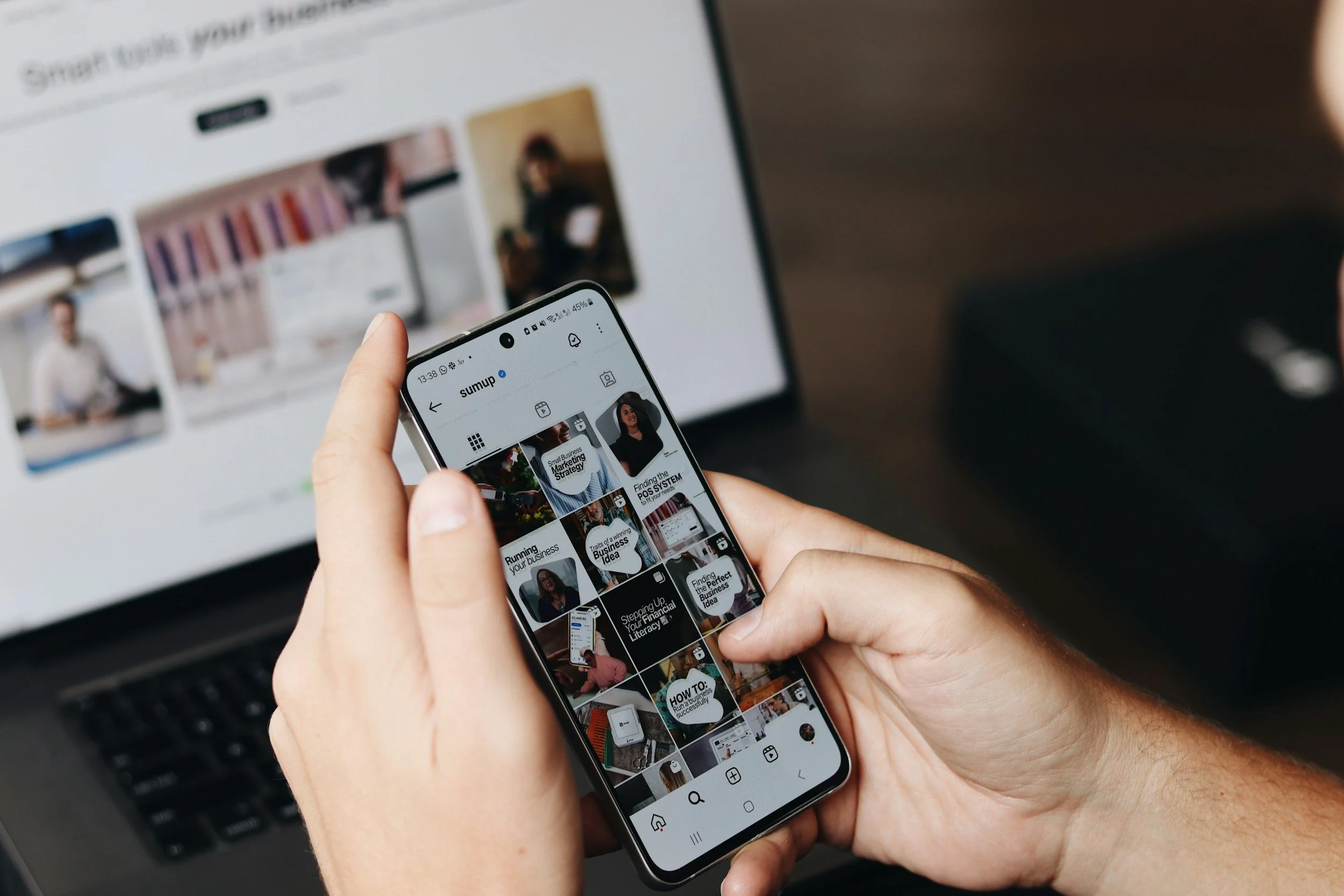
How to Set Influencer Marketing KPIs That Connect to Business Outcomes
A campaign wraps with 2 million impressions in its first month and everyone calls it a win. Six weeks later, the CFO asks the only question that matters: What did those impressions do for the business?
The room goes quiet. By the time that question lands, it's too late to pick the right metrics.
KPIs chosen before a campaign starts, tied to one stated business outcome, survive a budget review. Grab whatever's easiest off the platform afterward, and you're just hoping nobody asks a follow-up question.

4 Signs It's Time to Hire an Influencer Marketing Agency
Every in-house influencer program looks the same in year one. A handful of creators, a few campaigns that land, leadership that stays out of the way. Everyone's happy.
By year three, that same setup is groaning under more creators, more markets, more spend, and a lot more scrutiny, straining under weight it was never built to carry. That's usually when the topic of hiring an agency comes back on the agenda and stops being hypothetical. Here's what each of these five signs are and what they mean.
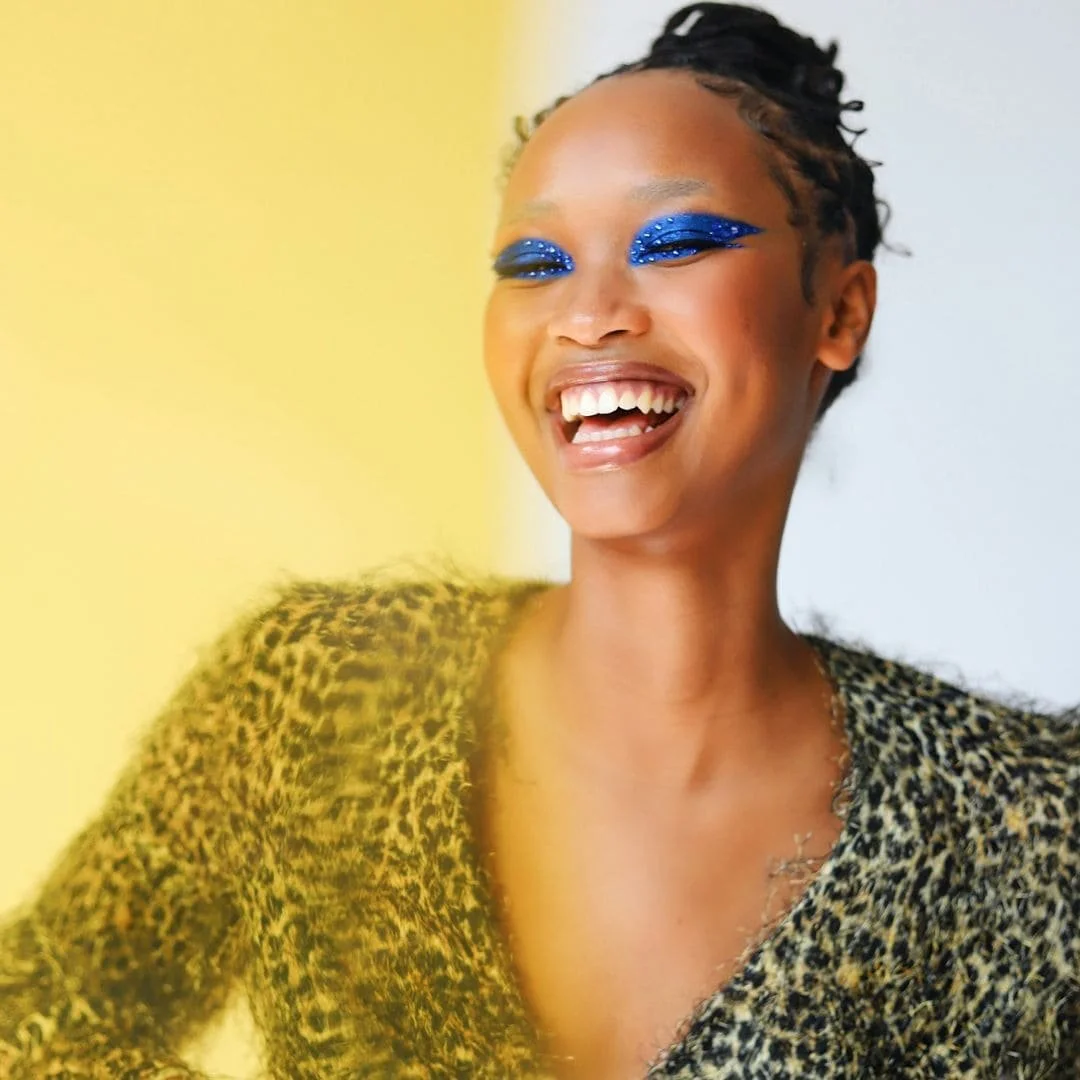
The Campaign Is Over. Now What? How to Make Every Influencer Campaign Stronger Than the Last
A lot of campaigns end the same way. The wrap-up report is done and goes out; someone drops a thumbs-up in Slack, and by the next morning the team is already deep into creative and strategic thinking for the next round of activities with creators. But does anybody go back to check what happened in round one?
I get why. There's always another campaign due, another creator to book, another…
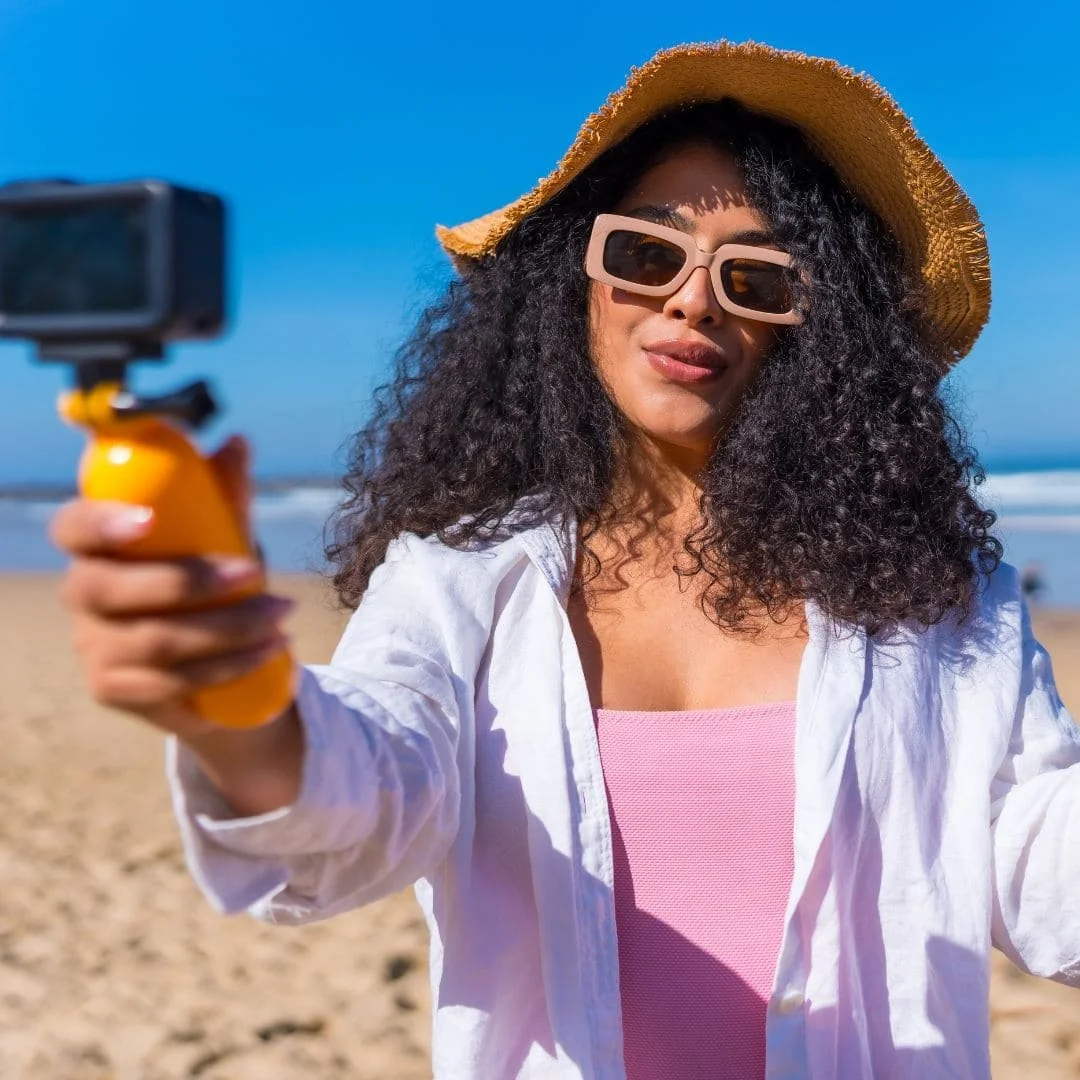
Cannes Has Entered the Creator Era
Cannes Lions wrapped last week. Creators didn't have to watch the action from the sidelines this time. Like Cinderella, they were at the center of the attention dancing the night away. The only difference, they didn't turn into pumpkins at midnight.
Until now, the festival's creator hub sat on top of the Palais, physically separated from the main action along the Croisette. 2026 it moved down to the Adobe x LIONS Creator Beach, alongside the beachfront activations that have defined the…

Your customers are asking AI, not Google. Is your brand showing up?
Nobody uses search engines the way they used to. What was once a clean, fast pipeline to the right answer has become a scroll through ads, sly product placements, and results that have absolutely nothing to do with the original query. The incentive to keep users on-platform longer has won out over the incentive to give them what they came for.
When a tool stops working, people find a better one. Right now, a growing share of your customers have moved from Google to AI. For those of us running creator programs, that's the shift worth paying attention to. Where your customers look for answers is where your brand either shows up or doesn't, and the rules just changed.
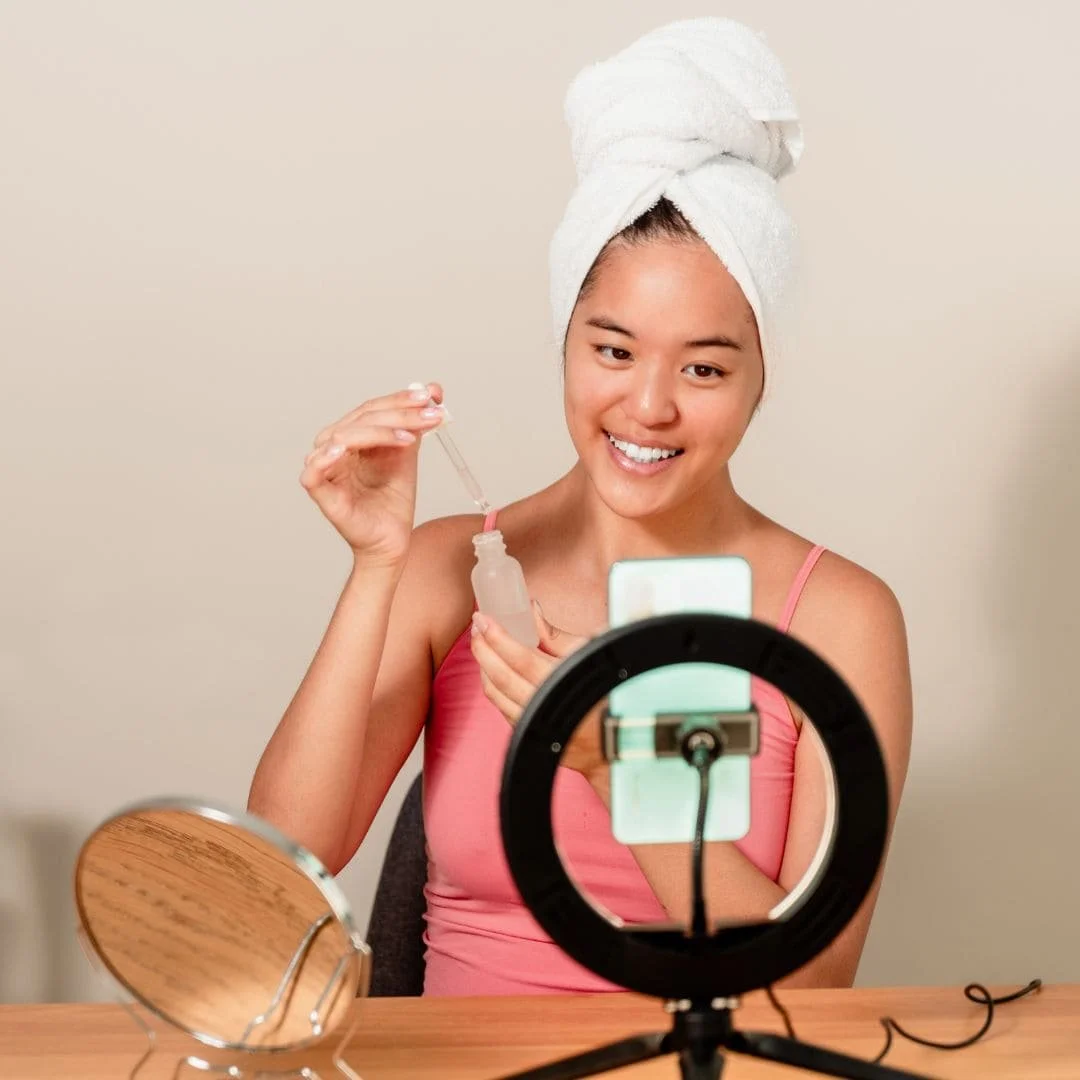
Influencers vs UGC Creators: Which One Should You Choose for Your Brand
Influencers and UGC creators are often lumped into the same category, but there are fundamental differences between the two.
Both create content, and that's where the similarity ends. Confusing the two means you're either paying influencer rates for something that should have been a content-only fee, or under-investing in relationships that could actually build audience trust over time.
Before you decide who to work with, answer a simpler question: Does this campaign need distribution, content, or both? The answer usually makes the choice obvious.

7 Common Influencer Marketing Myths That Hold Brands Back
Influencer marketing draws more confident, contradictory advice than almost any other channel in marketing. Some swear it's delivered the best results they've ever seen. Others call it a black box nobody can prove. It's the easiest channel to scale, and just as easily the one that drains a budget dry. Go all in, or get out while you can, depending on who's talking.
Somewhere along the way, a handful of these claims hardened into assumptions that people stopped questioning. Here are seven myths worth retiring, and what to do instead.

Influencer Ambassador Program Design Needs Creator Education
The creator economy has reached the point where education is now a product category. For brands, that matters because the people they brief, contract, and measure now operate as small media businesses, often with very little formal support around the business side of the job.
The Daily Influence reported on Bedford, a Los Angeles education company founded by Ben Newton, launching a six-week program for professionals who want to publish content with more consistency and commercial intent. Tuition is $3,750. The same story points to FiveTwoNine, Billion Dollar Boy's creator education platform, which has grown to more than 4,000 members globally and brought more than 500 creators into in-person events.
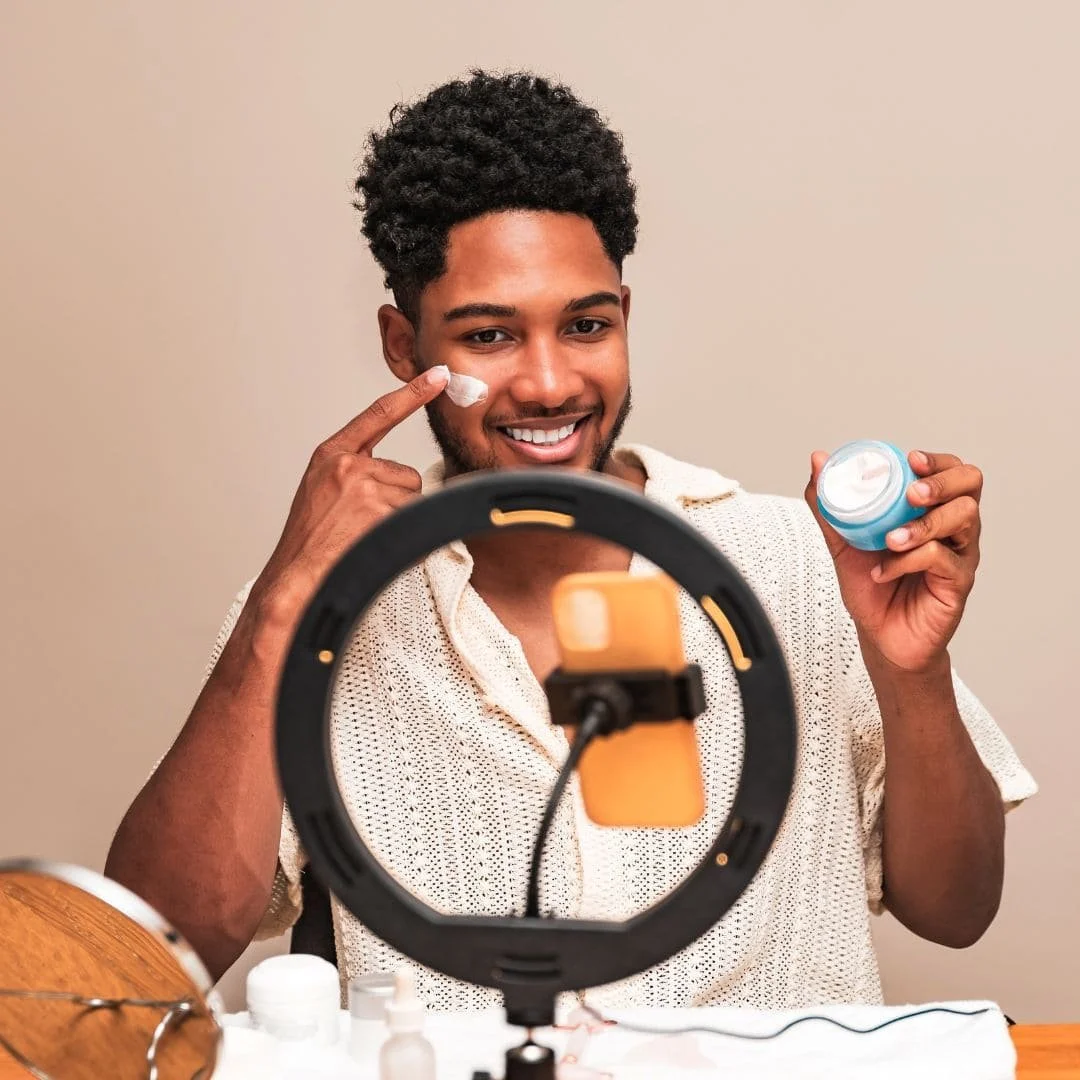
How Long Does It Take to See Results from Influencer Marketing?
I get this question in almost every intro call: how long until we see results? Or even better, how many sales can we expect? The honest answer to the first question: depends on what you're measuring. An awareness campaign moves on a different clock than a conversion campaign. A one-off sponsored post moves on a different clock than a six-month partnership. And so on down the line. The second question almost always tempts me to say: How should I know? But I don’t. Instead, I am trying to explain that influencer marketing is not your silver bullet and it takes time.
Engagement can show up within days. Awareness and business outcomes take months. Bad news if you were expecting creators to wave a magic wand and pull sales out of a hat.

Performance Influencer Marketing Needs Two Tracks
Performance influencer marketing gets messy when brands treat whitelisting as the strategy instead of one distribution lever inside a larger system.
A recent Augmentum Influencer Insider edition captured the problem well: affiliate content that worked beautifully in a creator's own feed was whitelisted into Meta and failed against a cold audience. The useful lesson is simple. Content built for people who already trust the creator has a different job from content built for people who have never seen the creator or the brand. That is why, at beyondINFLUENCE, I separate creator affiliate marketing and paid partnership ads into two operating tracks.

What to Look for When Hiring an Influencer Marketing Agency
Every agency walks in with a polished deck, names you recognize on the logo wall, and case studies that look like they belong in a Cannes shortlist. This all sounds easy. For them, and for you. What happens after the contract is signed tells you who you're actually dealing with.
The gap between a capable agency and a convincing one comes down to 3 things: creator selection discipline, measurement that connects to your actual business goals, and the difference between delivering outcomes versus selling the idea of them. Oftentimes, the honeymoon period lasts until six weeks into a campaign. That shouldn’t be the case.
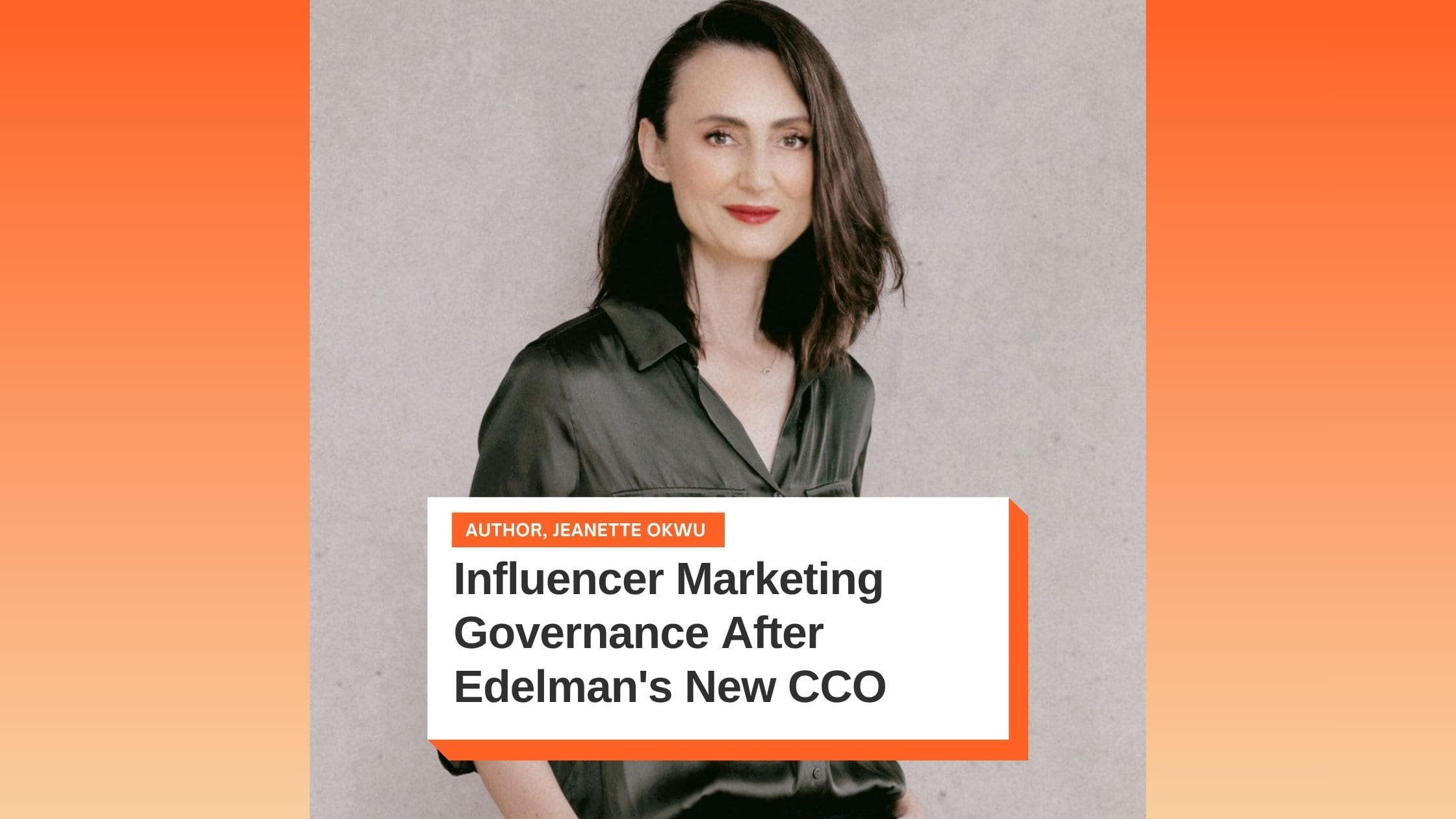
Opinion: Influencer Marketing Governance After Edelman's New CCO
Edelman has put creator leadership on the global org chart.
The Daily Influence reported on June 3, 2026, that Kenny Gold has joined Edelman as its first global Chief Creator Officer. He will lead Edelman Creator across social, paid media, and performance marketing. Edelman also says it now has around 200 creator specialists globally.
My read: this is an influencer marketing governance story hiding inside a hiring announcement. Holdco titles tend to trail the real work by 12 to 18 months. By the time a network formalizes a title at global level, clients have already been asking for a clearer owner, a cleaner operating model, and better proof that creator marketing connects to business impact.
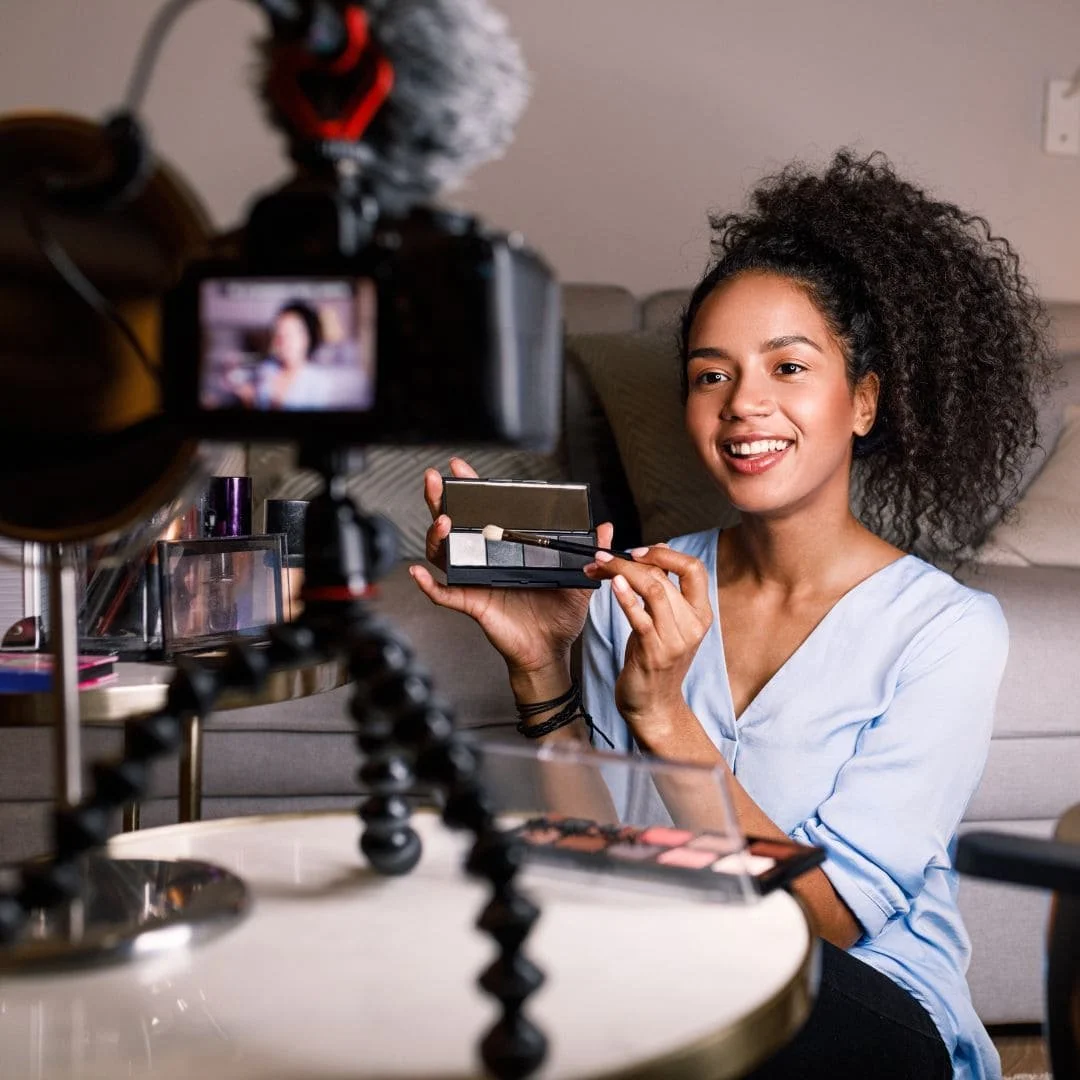
Creator IP Rights Are Reshaping Influencer Marketing
Four recent talent moves caught my attention because they all point to the same commercial question: who gets to own the value created around a creator?
Look at the pattern: Kendall Ostrow moved from YouTube to CAA, Liamara C. left Whalar for Flight Story, Anmol Malhotra was promoted at Snap, and Jim Shepherd joined Meta as senior director of content partnerships. Each move sits at a different point in the creator economy, but the shared direction is clear: platform knowledge, creator management, and brand partnership expertise are becoming more commercially important.
LinkedIn Is Betting Big on Creator-Led Events. Here's What It Signals.
LinkedIn has never been the place where professional credibility converts to cash. You build an audience. You earn trust. Then, when it's time to actually monetize that trust, you redirect people somewhere else. A Substack. A Kajabi course. A Patreon. The platform keeps the attention; you keep the work of monetization. That model is about to change. LinkedIn is planning gated, creator-led paid events, and it's the platform's clearest move yet toward letting professionals sell their knowledge on-platform rather than off it.