Instagram's Original Content Update: What It Actually Changes
Your Instagram account's reach to new audiences now depends on one question: did you create what you posted?
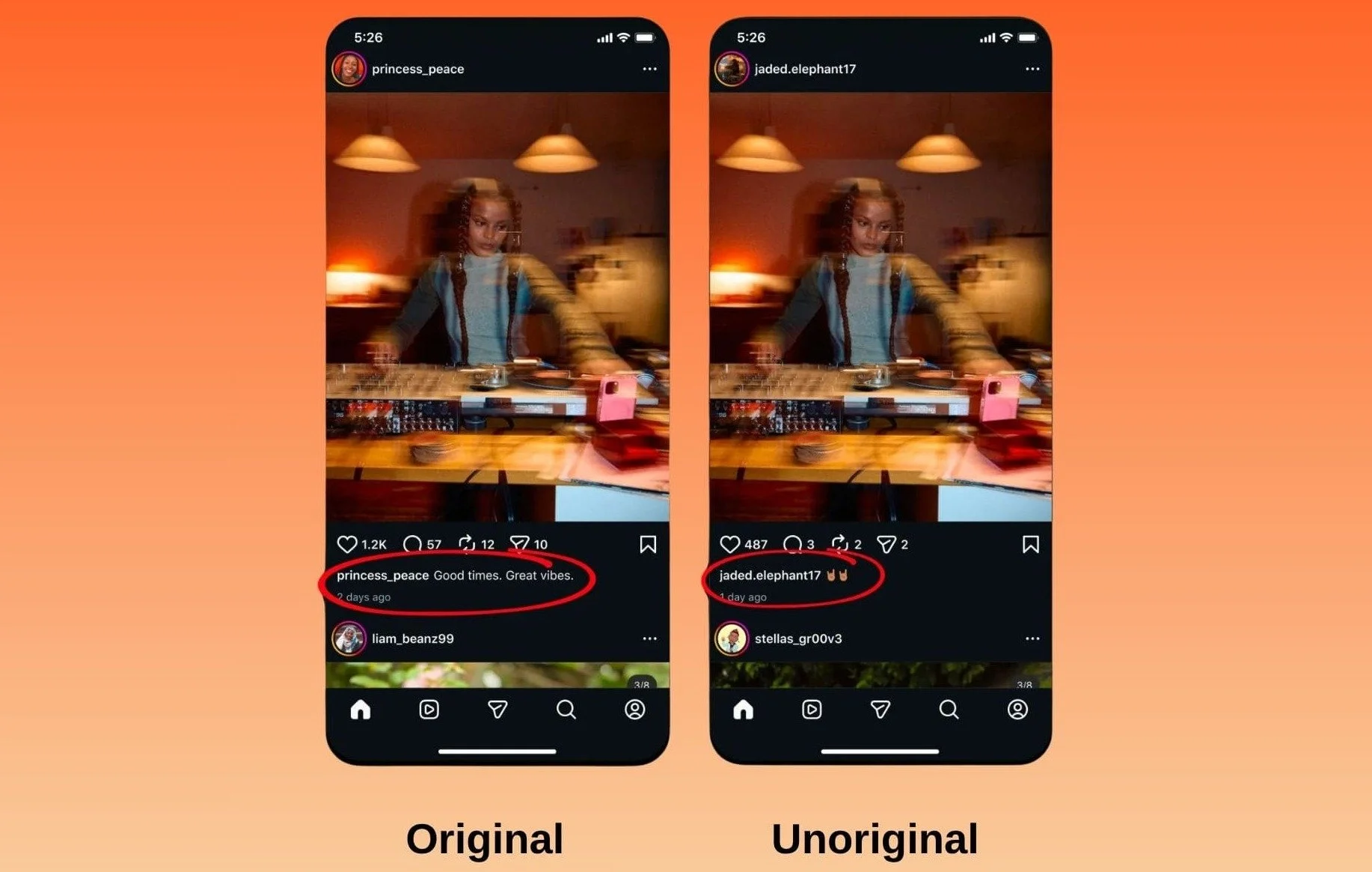
As of April 30, accounts primarily reposting other people's work will stop being recommended to non-followers. That was already true for Reels. Now it covers every feed format, including photos and carousels. Instagram extended the rule, closed the gap, and made the whole thing uniform.
The platform evaluates accounts on a rolling 30-day window. If most of what you've posted during that period is content you didn't originate, your account becomes ineligible for recommendations. Explore, suggested content, discovery surfaces- all of it. Existing followers aren't affected. What changes is how far your content travels beyond them.
This is not a sudden shift by any means. Instagram signaled the direction already in 2024 when it applied the restriction to Reels. What happened on April 30 was just an expansion that covered all content categories on the platform.
What counts as original
Original content is work you alone created, or that reflects your unique perspective: a photo you took, a video you shot, a graphic you designed, a carousel you built from the ground up. If it started with you, it qualifies.
If you're working with someone else's content, your additions need to bring something genuinely new. Not a new frame around the same material. New context, new information, a distinct point of view that wasn't in the original.
Instagram is explicit about what doesn't count: borders, watermarks, subtitle transcripts, stickers, captions that describe what's on screen, crediting the original creator. None of these pass the test.
The test Instagram recommends is the right one to keep in mind: if someone removed your contribution from the post, would the content be essentially the same? If yes, it isn't enough.
What it means for brands specifically
This is the workflow most brand Instagram accounts have been running: brief the creator, approve the content, download the asset, post it to brand channels.
That last step is now the problem.
When a brand downloads a creator's post and reposts it without a collab tag or paid partnership label, Instagram flags the content as not originating on that account. The creator's account is unaffected. The brand's discovery reach takes the hit.
Most brand teams don't think of themselves as aggregators. The aggregator framing feels like it belongs to fan pages or meme accounts. But the algorithm doesn't distinguish by intent; it distinguishes by origin. A brand reposting a creator's asset without a collab tag looks identical to any other repost.
The workflow fix is actually simple: use collab posts instead of downloading and reposting. The creator retains credit, the brand gets distribution, neither account loses recommendation eligibility. This is not complicated to execute.
The campaign briefing is tougher nut to crack. A collab post needs to be agreed on before the content is made, not added as an afterthought at the approval stage. If brands still brief creators with the assumption that the final asset will be downloaded and reposted are building campaigns around a content delivery model that no longer works. The shift is now toward co-ownership, from the first conversation, not the last.
That requires a different relationship with creators from the start by looking at them not as a tool.
What this confirms for original creators
Instagram head Adam Mosseri was pretty direct: "Original creators deserve to be rewarded for their work, not compete with accounts that simply re-upload it."
The platform backed that up with a number worth paying attention to: 75% of recommendations in the US now come from original posts. The algorithm has already been moving reach toward original content. This formalizes it across every format.
If you've been building on Instagram with original content, this update works in your favor. The accounts earning sustained reach share one thing: a perspective audiences actively choose to follow. Posting frequency matters less than the distinctiveness of what you actually have to say.
Instagram is not the only patform in town doing this
Facebook has been making the same structural move. Views and time spent on original Reels approximately doubled in the second half of 2025 compared to the same period in 2024. Over 20 million accounts impersonating large creators were removed in 2025. Impersonation reports dropped 33%. The pattern is the same: reward originators, reduce the reach of everyone else.
X applied the same logic to its revenue-sharing program. Large accounts were identified for programmatically reuploading content from smaller creators to capture payouts; those impressions were reallocated entirely to the original creators.
The direction is consistent across platforms. Original creators get prioritized. Distribution without creative contribution gets deprioritized. This has been the trend for two years and the April 30 update is Instagram making it complete.
Where this lands for brands
It’s showtime, baby: brands treating creator content as a content calendar asset, something to download, repost, and schedule, need to audit that workflow now. Check Account Status in settings. Review the last 30 days. How much of what your brand posted did your team actually create versus reshare from creators?
If the answer skews toward resharing, the collab post mechanism solves the immediate problem. The deeper question is what it means for a creator collaboration when co-publishing is assumed from the start.
The algorithm has caught up to what the performance data was already showing. Content built on a genuine perspective earns further reach. It builds audiences that come back. That was always true. Now the recommendation system is structured to match it.
frequently Asked Questions
-
No. The policy only affects recommendation surfaces: Explore, suggested content, and other discovery placements. Followers still see your posts in their feeds as normal.
-
Yes. Once original content makes up the majority of posts in a rolling 30-day window, recommendation eligibility returns. Accounts can also remove flagged content or appeal through Account Status in settings.
-
A collab post attaches both accounts to a single piece of content, with the creator retaining credit and both accounts benefiting from the reach. A repost treats the content as the brand's own feed post, which fails the originality test. For branded campaign content, collab posts are the right mechanism.
-
It uses a rolling 30-day window. If most of what an account has posted during that period didn't originate on that account, it becomes ineligible for recommendations. The test Instagram recommends: if someone removed your contribution, would the content be essentially the same?
-
Use Stories or the repost feature. Instagram confirmed these options highlight other people's work without affecting your recommendation eligibility.
-
No. Instagram is explicit: borders, watermarks, subtitle transcripts, stickers, captions describing what's on screen, and crediting the original creator don't qualify as meaningful creative input.