The Starbucks Barista Who Made Your Latte Might Be the Next Big TikTok Star
Funny how loose workplace phone rules have gotten. There was a stretch when scrolling on shift got you written up, maybe docked your pay. These days Starbucks is paying select baristas to film TikToks while they work.
The coffee giant has teamed up with TikTok to test a new creator program built around its own employees.
So next time your line is moving slow because your barista is filming instead of steaming milk, save the eye roll. That's the job now.
Starbucks' new creator strategy starts with its baristas
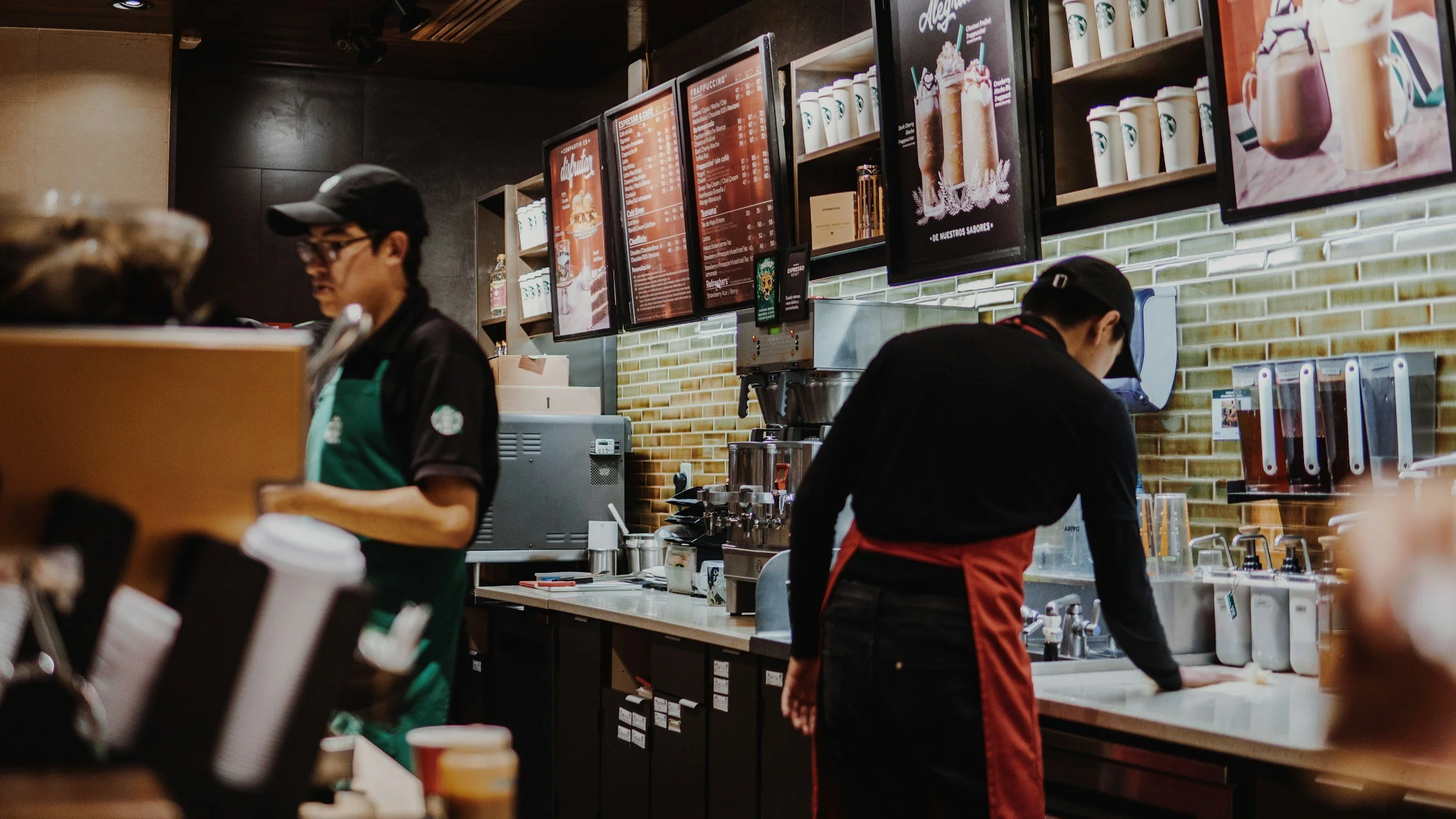
Starbucks is deepening its investment in employee-driven marketing through a new collaboration with TikTok, becoming the first brand to pilot a custom Creator Network through TikTok's Content Suite. It builds off Green Apron Creators, Starbucks's ongoing employee content program. Select baristas will get creative briefs, make content for Starbucks's TikTok presence, and share in the advertising revenue it generates.
Even before all of this, baristas were making content on their own. You've probably scrolled past someone recreating a viral drink order or showing off their latte art, filmed with a phone propped against the register, with no script in sight. This time, there's a budget and a strategy behind it.
We've all seen the writing on the wall for a while now. Professional influencer marketers have been saying this over and over: the company's employees post about the brand at three times the rate of employees at similar-sized chains. Starbucks didn't have to go looking for creators. They were already behind the espresso machine.
For now, this is a pilot. Starbucks will scale it, or won't, based on what it learns.
What is employee-generated content?
You know the type of video: a barista making a seasonal drink, a flight attendant filming a day in the life, or a hotel worker filming a room reset between guests. That's employee-generated content, or EGC: content employees create about their work, their expertise, or simply what their day looks like.
Employees have posted about where they work for years, sometimes with a company's blessing, more often without it. What's changed is that brands are starting to build this content into their marketing strategy instead of treating it as something that happens on the side.
Which brands are already turning employees into creators?
Garage has taken a similar approach with its Garage Social Club, encouraging store employees to create content and build their personal brands while representing the retailer online.
Dell has spent years building employee advocates through its Social Media University, training staff to build their own presence online while sharing content about the company.
Gap Inc. went the other direction: it built a creator affiliate program for outside influencers first, then opened it up to employees.
Then there's Kaeden Rowland. She works part time at a Staples in upstate New York, and back in January she started filming TikToks about the store's printing and mailing services because her shift was slow. That video took off, and she kept going. Now she's past 500,000 followers and the internet renamed her Staples Baddie. Staples publicly embraced her success, with the company's CMO saying it was "incredibly proud" of her. Rowland has also said people on the corporate side reached out directly to hear her ideas. She has no background in marketing, but she does say she is “opinionated with cheekbones.”
Why is employee-generated content gaining ground now?
Starbucks isn't the first brand to check the staff room when it's time to hire creators, and it won't be the last. Nano and micro creators will account for nearly half of influencer marketing spending in 2026, and that shift says something. Trust and credibility matter more than follower count now, and brands start to recognize it.
Employee creators fit naturally into that evolution. A barista doesn't need a week of onboarding to talk about a new drink. She's made hundreds of them. She knows what changed since last season and which detail regulars will ask about first.
This kind of content is resonating with consumers too. According to Sprout Social pulse survey, 40% of consumers say they frequently discover new products or services through employee-generated content. Among Gen Z, that jumps to 61%. And they think the people behind it deserve a cut: 61% say brands should compensate employees for promoting them on social media.
For brands, this expands the pool of who counts as a creator. It still includes someone with a ring light, a media kit, and brand deals. Now it might also include the person clocking in for the morning shift.
What should brands weigh before building an employee creator program?
This doesn't mean handing every employee a script and telling them to start filming TikToks.
Some brands will never need an employee creator program. For others, it might make perfect sense. If that’s the case, the first step is straightforward: find the people who already enjoy making content, give them the support to do it well, and pay them properly.
The harder part is staying out of the way. Brands need to leave creative freedom to creators and not strip away their voice. Start rewriting captions, adding approval rounds, and polishing every sentence, and before long the content starts sounding like everyone else. Script it enough and it won’t matter who's on camera.
Then come the practical questions. Who reviews a post before it goes live? What happens if an employee says something the brand never meant to say?
Ownership is a separate problem. Influencer contracts usually settle that before a campaign even begins and employee programs mostly haven't. If someone leaves the company, who owns the videos they made while they worked there?
Will Starbucks Scale the Program?
Starbucks' TikTok Creator Network is still a pilot. Whether it expands depends on what the company learns over the next few months, and that comes down to what success looks like in the end: sales, earned media value, or something else entirely. I'd be curious how this was set up, and what counts as proof it worked. Or didn't.
Ask one question at your next planning meeting. If someone on your team already has the audience, the personality, and wants to create, what would you do with that?
As for your next big creator? They might already be on payroll.