Influencer marketing strategy: Goals and KPIs first, pretty feeds later
Pretty often, a brand comes to us with a list of creators they already love. When I ask why those ones, the answer is usually that the feeds look great. Then I ask what the campaign is supposed to do, and it gets a bit quiet.
Honestly, a good feed doesn't tell you much. We look at the data behind every creator before they go anywhere near a shortlist: who actually follows them, where those people live, whether the engagement is real, and how their past brand deals performed. And then we hold all of that up against what the campaign needs to achieve.
So for us the order is always the same. Business goal first, then the influencer marketing KPIs that show whether you hit it, then the creators whose numbers say they can get you there. The pretty feed? We look at that last.
What should come before creator selection in an influencer marketing strategy?
A business goal and the KPIs that measure it. Pick one primary objective, set matching KPIs, then choose creators who can move those numbers.
Before you message the creator who's been in your Instagram saves for 3 weeks, answer this: what is the company trying to achieve this quarter, and how is this campaign supposed to help? If the team can't answer that in one sentence, you're not ready to pick creators. I don't care how good their engagement rate looks.
The usual answers look like this:
• Getting a new product or brand seen
• Building enough interest that people take a next step, like visiting the site
• Online sales
• Leads, sign-ups or app installs
• In-store traffic or retail sales
• A library of creator videos to run as paid ads
• Long-term ambassadors who keep posting after the campaign ends
Pick one primary objective, plus 1 or 2 supporting ones if the campaign needs them. When a single campaign is expected to deliver awareness, leads and sales in the same 6 weeks, you won't be able to tell afterward which of those it actually did. It also helps to agree upfront on how long you're willing to wait for results ([internal link: how long influencer marketing takes to show results]).
Get the objective sorted before you open a single profile, because you'll check every decision after that against it, starting with the KPIs. I know that takes discipline. I think it's why so many teams still start with the shortlist: you can see it, and it feels like you're getting somewhere.
Which influencer marketing KPIs should you track for each goal?
Match each KPI to the goal: reach for awareness, clicks and saves for consideration, attributed revenue and CPA for sales, cost per lead for sign-ups.
Say you're launching a new moisturizer and the goal is sales. You send it to 30 creators in a gorgeous PR box with tissue paper and a handwritten card. The posts look beautiful and the whole team is thrilled.
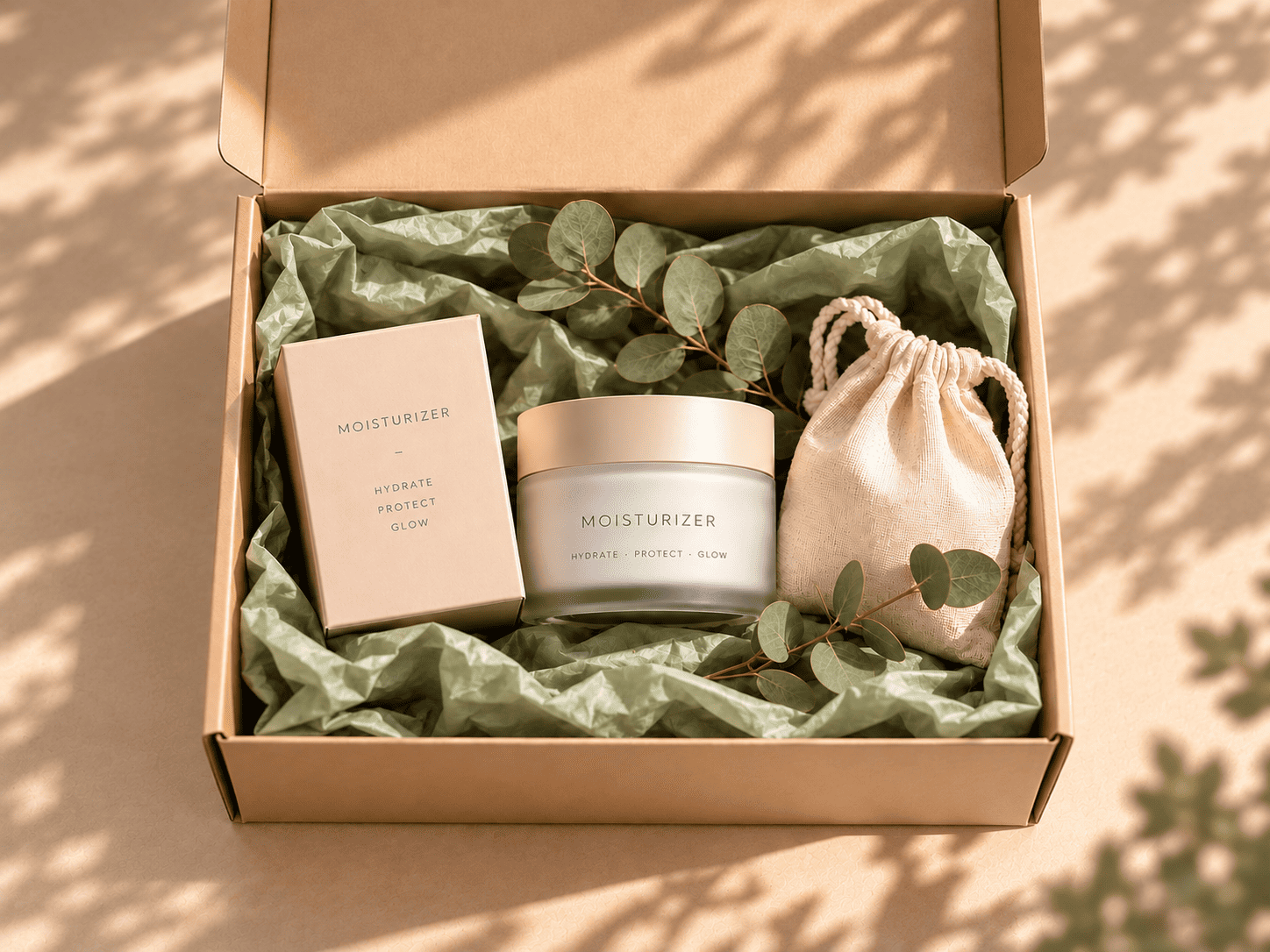
If none of those creators got a discount code or a unique UTM link, how do you tell how many sales came from the campaign, and which creators drove them? Well, you can't.
Reach and impressions look good in a report. If awareness wasn't the goal, they won't tell you whether the campaign worked. Only 19% of brands in CreatorIQ's State of Creator Marketing 2026-2027 report name revenue or sales attribution as their measurement method, and for a channel that's increasingly expected to sell, that number is low.
Every KPI has to match the goal you set. Here's how that breaks down:
• Awareness: reach, impressions, branded search, share of voice and brand lift
• Consideration: engagement rate, saves, shares, click-through rate and website visits
• Online sales: conversion rate, purchases, attributed revenue, cost per acquisition and return on spend
• Leads, sign-ups or app installs: volume, cost per lead or install, and how many turn into paying customers
• In-store sales: sell-through in the stores that stock the product compared with the weeks before the campaign, plus foot traffic where the retailer shares it
• Paid-ready content: number of usable assets, cost per asset, and how those assets perform once they run as ads
The end report should show which KPIs moved and weigh what the campaign produced against what it cost. It should also say what's worth repeating and what changes next time.
If you're not sure your current KPIs match your goals, that's what our Influencer Marketing Health Check [CTA link] is for. We go through your setup and show you where the measurement gaps are before your next campaign.
How do you choose the right creators for your campaign goal?
Start from the goal. Macro creators build awareness, and a larger group of smaller creators with real category credibility usually drives more sales.
The range of creators you can work with now is wide: nano and micro creators, macro creators, UGC creators who film videos for your own channels, and your own employees making EGC (employee-generated content). The goal tells you which of them to call first.
Macro creators get a product seen, which is why they're the default for awareness. Engagement rates tend to drop as follower counts grow, though, so a bigger audience doesn't guarantee more sales.
A lot of brands still put the entire budget behind one big name and call it a campaign. For a sales goal, the same money split across 10 smaller creators with real credibility in the category usually goes further ([internal link: micro vs. macro influencer ROI]).
A launch in a new country needs local creators that people there already know and trust, and a campaign that covers the whole funnel needs macro and micro creators working together. Whoever makes the list needs credibility in your category and followers who'd want to hear about what you're selling. UGC is the exception, since those videos run on the brand's channels and the creator's own audience matters less.
Then check the data behind every name on the list: where the audience lives and how old it is, how many followers are fake or inactive, how real the comments are, and how the creator's earlier sponsored posts performed. A creator whose audience mostly lives outside your market is the wrong pick for a launch in Germany, however good her numbers look elsewhere.
See how a pretty feed hasn't come up once?
Who owns the content after an influencer campaign?
The creator does, unless the contract says otherwise. Define usage rights upfront: channels, paid ads, territory, duration and the fee.
Back to the moisturizer. Say one creator's video turned out to be the best thing the campaign produced, and you want to put ad spend behind it. Can you?
If you don't know the answer already, that's your answer. You can go back to the creator and hope she's generous enough to hand it over for free. Many won't, especially once they can see their content is performing well enough for you to want more of it, and I don't blame them.
This matters more every year. CreatorIQ's 2026-2027 report names boosting creator posts as the single highest-ROI creator marketing activity brands report (38%), and 92% of paid media professionals already use creator content in their paid creative. If the rights aren't in the contract, the activity brands rate highest for return is the one you can't use.
Usage rights belong in the contract from day one, with more detail than "brand may repost." Spell out:
• Where the content can run: the brand's organic channels, paid ads, website, email, retail screens
• Whether you can run ads from the creator's own handle (whitelisting, Spark Ads on TikTok, partnership ads on Instagram)
• Territory and duration, for example Germany and Austria for 6 months
• Exclusivity, if you need it, and against which competitors
• The fee for all of the above, agreed before anything goes live
There's more on this in [internal link: influencer contracts and whitelisting]. If you're thinking "I'll download that video, run it as an ad and hope the creator won't notice," good luck.
How do you monitor an influencer campaign while it's live?
Test every code and link before launch, check each post once it's live, confirm the ad disclosure, and watch which posts pull ahead.
Set-and-forget works for slow cookers. An influencer campaign needs someone watching it while it's live.
Say you're promoting a mascara and the goal is sales. You onboard 15 creators, give each one a discount code, and turn to the pile of other things on your desk while the posts go live. On report day, one creator's code shows 0 sales, which is odd, because her video did well.
You open the post and there it is: a typo in the code. Everyone who tried it at checkout got an "invalid code" message for the whole campaign, and one message to the creator in the first few days would have fixed it. Testing every code and link before launch, then checking each post once it's live, is part of the job, and it's the first thing to slip when the week gets busy.
Live monitoring also covers disclosure. In Germany, the state media authorities expect "Werbung" or "Anzeige" clearly visible at the start of a paid post, and the brand can be held liable when it's missing. The FTC in the US and the ASA in the UK have their own rules, so a campaign across 3 markets means 3 sets of them.
As chair of BVIM, the German influencer marketing association, I spend more time with these guidelines than most people would choose to. They change, and checking them before each launch is cheaper than finding out afterward.
The last part of monitoring is watching which posts pull ahead of the rest. Those are your candidates for paid spend, which is one more reason to have the usage rights settled before launch.
What should you do with influencer campaign results?
Use them to set up the next campaign: rebook the creators who drove sales, and fix any KPI that didn't match the business goal.
Every campaign leaves lessons for the next one if you look for them. Some are about the setup. If the KPIs didn't match the goal, that's the first thing to fix before the next campaign starts.
Others are about the funnel. If the brand expected sales from people who'd barely heard of it, the lesson is that people rarely buy from a brand they first saw in a 15-second story. Awareness comes first, and the next campaign's targets should reflect that.
Then there are the creators. A close look at who you worked with usually sorts them into 4 groups:
• The ones who brought in sales and are worth booking again
• The ones with lots of views and very few sales, who might suit the next awareness campaign better than a sales push
• The ones who delivered late, or didn't deliver the agreed content at all
• The surprise: a smaller creator the team didn't expect much from, who sold more mascara than the bigger names on the list
That last group is my favorite part of any report.
When we launched d'Alba Piedmont across 5 European markets, we built the later rounds around creators who had already proven they could sell. [Add real figures: how many round-one creators were rebooked, and what they drove in sales or conversion rate.]
All of this feeds the next strategy and the next shortlist. When the goal and the KPIs are right, the conversation about next year's budget gets a lot easier.
Where the pretty feed comes in
The feed still matters. Once the goal, the KPIs and the data check out, it tells you whether a creator's style fits the brand and whether her content will hold up as an ad later. It just never gets to make the decision on its own.
Frequently Asked Questions
-
It depends on the goal. A sales campaign is measured on conversion rate, attributed revenue, cost per acquisition and return on spend. For awareness, reach and brand lift matter more.
-
One primary goal, plus 1 or 2 supporting ones at most. A campaign with 4 equal goals can't be measured against any of them.
-
Yes. Running a creator's content as an ad, or from their handle through whitelisting, needs written usage rights covering paid use, territory and duration.
-
Give every creator a unique discount code and a UTM or affiliate link, test them before launch, and check them again once each post is live.